Room 7 – Funded Kindergarten
Room 7 - Funded Kindergaten
- Maximum 27 children
- 4 Teachers *
The Kindergarten children at Monash Children's Centre are cared for in the Yarrabee room. Children enrolled in this area will be going to school the following year.
Our Kindergarten is funded and recognised by the Department of Education and Early Childhood Development. We offer a minimum of 15 hours per week (over 2 days) for children in this room who are not attending Kindergarten elsewhere.
Note: Some years our 4 year old Kindergarten program will be run in Room 6, and Room 7 will be used to deliver our 3 year old Kindergarten program. This will be confirmed to families at the time of enrolment.
Following Children's Interests
We continue to follow children's interests and strengths in our Kindergarten program. Through this we negotiate a curriculum that focuses on what is real and meaningful, socially and intellectually engaging and celebrates the development and achievements of children.
Children bring their diverse experiences, perspectives, expectations, knowledge and skills to their learning.
Emotional Intelligence
Celebrating Diversity
More Than "Just Play"
One of the most common misconceptions about a play-based curriculum is that children are 'just left to play.' Our negotiated curriculum relies on teachers' knowledge of children's strengths, abilities and learning journey. We ask open ended questions, hypothesise potential outcomes, reflect on learning that has taken place and adapt teaching practices to reflect the children's individual learning styles.
Assessments for learning occur through analysis of gathered information on what children know, can do and understand. It is part of an ongoing cycle that includes planning, documenting and evaluating learning, not only by the teachers, but with family and child feedback.
School Transition Support
As part of the Victorian Early Years Learning and Development Framework (VEYLDF), our teachers compile Transition Statements during fourth term in consultation with families and children.
This initiative aims to improve each child's experience of starting school by enhancing the development and delivery of transition programs. They enable a shared understanding between early childhood services and schools about what is important for children and their families during this exciting time.
The Third Teacher
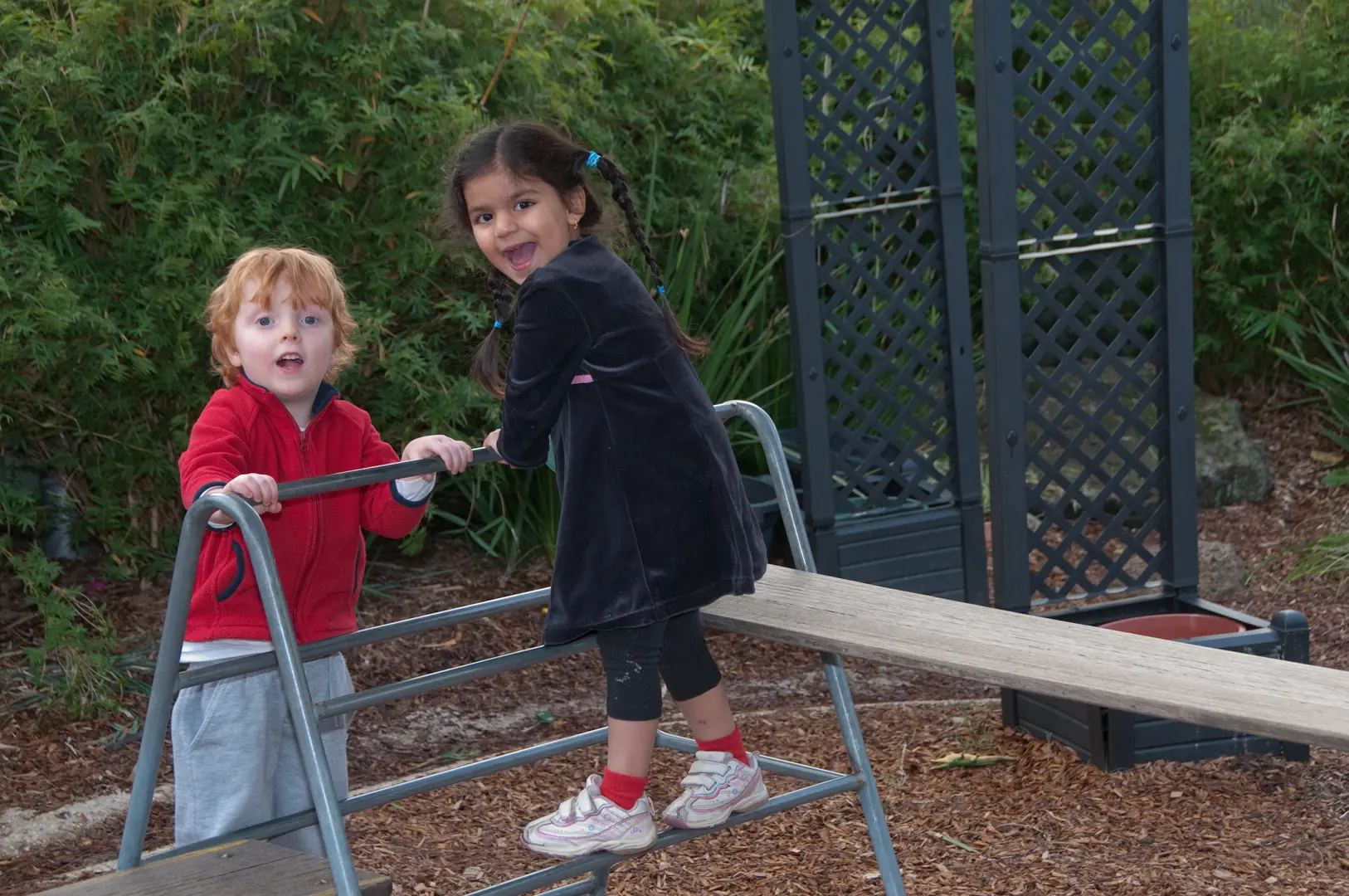
The learning environment is often referred to as the "third teacher." The teachers create spaces that are vibrant and welcoming, catering for different interests and abilities but also reflecting the culture and abilities of the children. Both the indoor and outdoor environments are equally important and encompass the use of natural materials wherever possible. The yard has recently been extended and landscaped to create varying levels, platforms and amphitheatres.
A large open space boasts room for running and ball games, supporting children's physical development and active play.